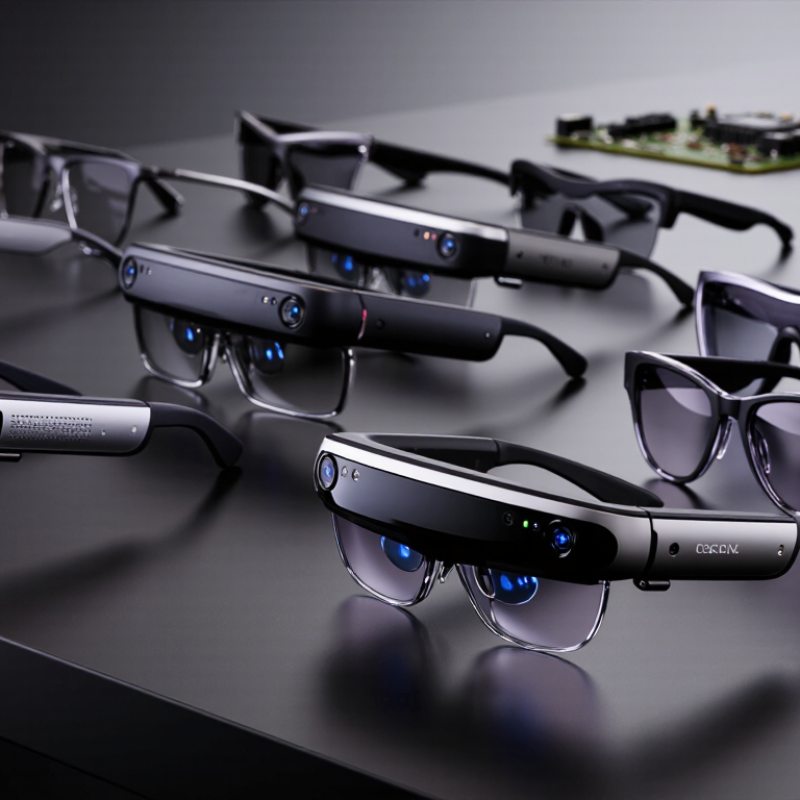
| 1 | Optical display | Some models include a small display; others provide audio and camera features without one. | A display module projects information into the wearer’s field of view through an optical combiner or waveguide. | Alignment, brightness, eye-box size, lens weight, and outdoor visibility affect usability. |
| 2 | Camera and image capture | A compact camera may capture photos or video and provide visual input for supported AI features. | The image sensor converts light into digital image data for processing, storage, or transmission. | Lens placement, image quality, heat, power use, and clear recording indicators are important design factors. |
| 3 | Microphones | One or more miniature microphones support voice commands, calls, and audio capture. | Microphones turn sound waves into electrical signals; signal processing can reduce noise and help isolate speech. | Wind noise, microphone placement, acoustic sealing, and voice privacy require testing. |
| 4 | Audio output | Open-ear speakers or directional audio components can deliver prompts and calls without covering the ears. | Small drivers convert electrical audio signals into sound, while acoustic design directs sound toward the wearer. | Sound leakage, comfort, call clarity, and safe listening levels are key considerations. |
| 5 | Processing and AI | Processing may take place on the glasses, on a paired phone, or through a cloud service. | Software processes inputs such as speech or images to provide functions such as transcription, translation, or question answering, when supported. | Compute capacity, latency, connectivity, heat, and data-handling controls shape the product experience. |
| 6 | Wireless connectivity | Bluetooth is commonly used to connect wearables to a phone; some functions also rely on the phone’s internet connection. | Wireless links carry commands, audio, and selected data between the glasses and connected devices or services. | Antenna performance, connection stability, compatibility, and wireless certification must be addressed. |
| 7 | Battery and power management | Compact rechargeable batteries supply power to sensors, audio components, processing, and displays where fitted. | Power-management circuits regulate energy use and help protect the battery during charging and operation. | Battery capacity competes with frame size and weight; thermal and charging safety are essential. |
| 8 | Sensors and controls | Depending on the model, sensors and controls may include touch surfaces, buttons, or motion sensors. | Sensors detect user input or movement; the device’s software maps these signals to actions. | Controls should be easy to use, resistant to accidental activation, and accessible while wearing the glasses. |
| 9 | Frame, lenses, and fit | The frame houses electronics and may accommodate prescription or interchangeable lenses, depending on the design. | Mechanical structures hold optical and electronic parts in position while distributing weight across the wearer’s face. | Fit, durability, materials, hinge design, and compatibility with different prescriptions influence comfort and production quality. |
| 10 | Privacy, testing, and quality control | Privacy features may include visible capture indicators, user controls, and settings for data permissions. | Firmware controls sensor access and data flows; production testing checks functions such as camera, audio, connectivity, and charging. | Consistent assembly, software updates, applicable regulatory compliance, and transparent privacy practices are important. |