What is a wireless headset and how does it work?
A wireless headset is a modern gadget that revolutionizes audio experiences. These devices allow users to listen to music, take calls, and enjoy media without tangled wires. They connect via Bluetooth, which uses radio waves for communication. This technology has made headsets more convenient and portable.
Many people appreciate the comfort of a wireless headset. They eliminate the hassle of cords, particularly during workouts or while commuting. However, some users find battery life an issue. A dying battery can interrupt your enjoyment unexpectedly. Additionally, sound quality can vary among brands. Some models deliver excellent audio, while others may disappoint.
Wireless headsets have changed how we interact with audio. They are versatile and user-friendly. Yet, challenges like connection issues can sometimes arise. As technology advances, addressing these flaws is crucial for future improvements. Overall, wireless headsets offer a blend of freedom and functionality that continues to evolve.
Definition of a Wireless Headset and Its Main Components
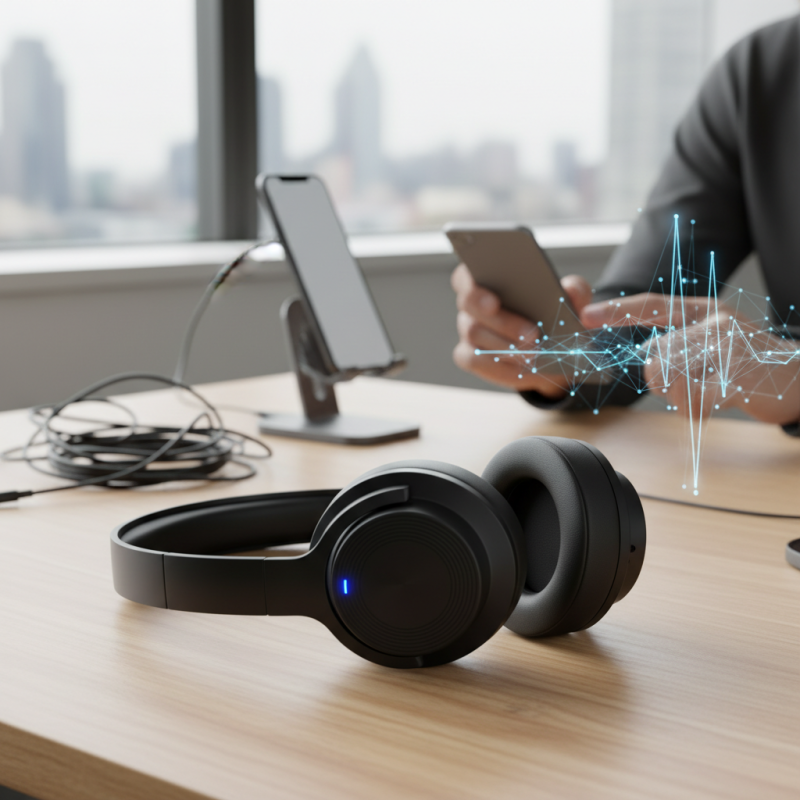
A wireless headset is a versatile audio device. It allows users to enjoy music, make calls, and engage in gaming without being tethered. Wireless technology, often Bluetooth, connects it to devices like smartphones and computers. This freedom of movement is a big draw for many users.
The main components of a wireless headset include speakers, a microphone, and a battery. The speakers deliver sound directly to the ears. They come in different sizes and qualities, affecting the audio experience. The microphone captures voice, allowing for clear communication. Meanwhile, the battery powers the headset, with varying life spans depending on usage.
However, not all wireless headsets are created equal. Some may struggle with connectivity issues or sound quality. Users sometimes find a delay in audio, especially while gaming. Charging the headset can also become a hassle, especially during long sessions. These shortcomings remind users to carefully consider their options.
Types of Wireless Headsets: Bluetooth, RF, and Infrared
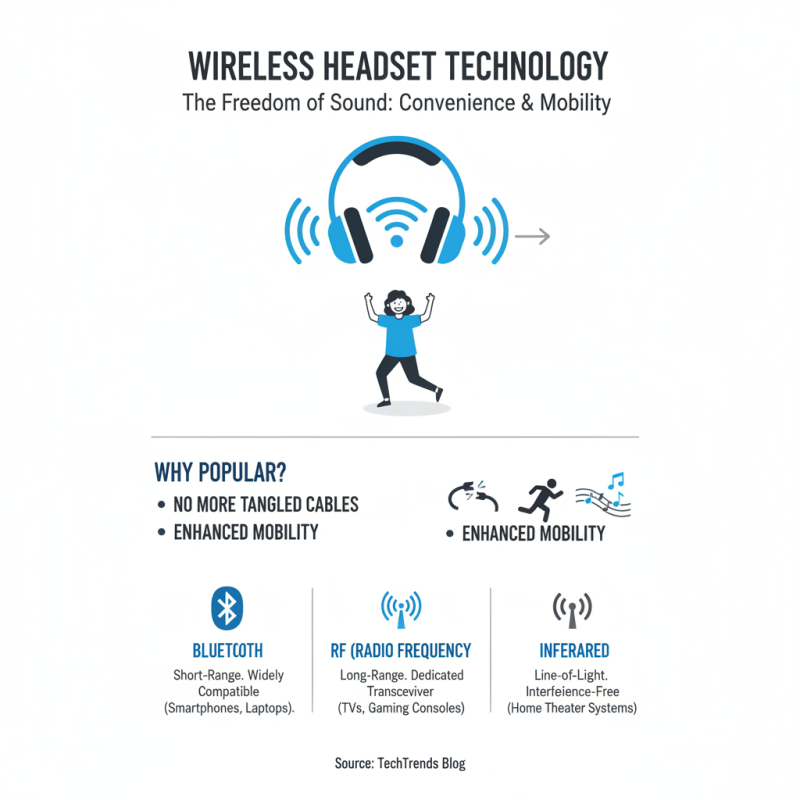
Wireless headsets have become popular due to their convenience. They allow users to enjoy audio without cables. Among various types, Bluetooth, RF, and infrared headsets are prominent.
Bluetooth headsets are the most common. They connect to devices wirelessly over short distances. The connection is stable, making them great for daily use. Users can walk around while enjoying their favorite music or taking calls. However, they usually require regular charging. Battery life can be a challenge, sometimes leading to unexpected interruptions.
RF headsets use radio frequencies. They have a longer range than Bluetooth, often allowing users to move freely around a room. This can be beneficial for gaming or watching TV. However, they usually come with a base station. It can be a hassle to set up. Infrared headsets function differently. They require a direct line of sight to transmit audio. This can limit movement, which might frustrate users. While they offer clear sound quality, the restriction can be inconvenient. Each type has its strengths and weaknesses, inviting users to consider their needs before choosing.
How Wireless Headsets Connect to Devices: Pairing and Range
Wireless headsets have become increasingly popular for their convenience and mobility. These devices use Bluetooth technology to connect with various gadgets like smartphones, tablets, and laptops. Pairing typically involves putting the headset in a discoverable mode. The user can then find the headset in the device's Bluetooth settings. Once connected, many devices can maintain a reliable connection up to 30 feet away.
Tip: Ensure your headset is charged before pairing to avoid connectivity issues. Low battery can lead to interrupted connections and poor sound quality.
The effective range of wireless headsets can vary significantly. A typical Bluetooth headset operates within a range of about 30 feet. However, physical obstructions can reduce this distance. Walls, furniture, and even other electronic devices can interfere with the signal. This limitation often frustrates users, especially in busy environments.
Tip: For the best experience, keep the headset and device within line of sight. This simple step can improve sound clarity and connection stability. Users often overlook these basic factors, leading to a less enjoyable experience.
Technical Mechanisms: Sound Transmission and Battery Life
Wireless headsets have become essential for audio enthusiasts and professionals alike. They utilize various technical mechanisms for sound transmission and battery life, ensuring users enjoy seamless audio without tethered wires. The core technology involves Bluetooth, which can transmit audio within a range of approximately 30 feet. Bluetooth 5.0, for example, allows for improved data rates and energy efficiency, making it a popular choice in many modern headsets.
Battery life is a critical aspect of a wireless headset's functionality. Most models provide 8-20 hours of continuous use on a single charge. Recent reports suggest that the average consumer prefers headsets with at least 15 hours of battery life. However, many factors can affect this, such as volume levels and the use of noise-cancellation features. Users often forget that high volume can deplete batteries faster than expected.
Tip: Regularly charge your headset to maintain optimal performance.
Sound transmission can experience interference from other devices within the vicinity. This can lead to dropouts or audio quality issues. Understanding the environment can greatly improve your listening experience. Try to maintain a clear line of sight between your headset and connected device to minimize disruptions.
Tip: Keep your headset firmware updated for better performance.
The balance of technology and user habits shapes the wireless headset experience. Some users may need to reflect on their usage patterns to improve battery life and sound quality. Understanding these technical mechanisms allows users to make informed decisions.
Benefits and Drawbacks of Using Wireless Headsets
Wireless headsets have become increasingly popular due to their convenience and versatility. However, they come with both benefits and drawbacks that users should consider. According to a recent survey by the Consumer Electronics Association, 57% of users prefer wireless headsets for their mobility. Being untethered allows users to move freely without worrying about cables. This feature is particularly appealing for people who multitask or engage in physical activities.
On the downside, wireless headsets often face connection issues. Interference from other devices can lead to audio dropouts. In fact, a study by TechRadar indicated that 42% of users experience these interruptions at least monthly. Additionally, battery life can be a concern. Many models last around 4-10 hours per charge, depending on usage. This can be limiting for individuals who rely on them throughout the day.
Sound quality can also vary significantly. While premium models may offer excellent audio, less expensive options often compromise on clarity. A survey from SoundGuys found that 38% of users were disappointed with their wireless audio experience. These drawbacks are worth considering for anyone looking to invest in wireless technology.
What is a wireless headset and how does it work? - Benefits and Drawbacks of Using Wireless Headsets
| Dimension |
Details |
| Definition |
A wireless headset is a device that connects to audio sources without using physical cables, typically via Bluetooth or radio frequencies. |
| How it Works |
Wireless headsets use Bluetooth technology or other wireless communication methods to transmit audio signals from a device to the headset. |
| Benefits |
1. Greater mobility and freedom of movement
2. Reduces clutter from wires
3. Compatible with multiple devices
4. Advanced features like noise cancellation and touch controls |
| Drawbacks |
1. Battery dependency for operation
2. Potential for latency in audio
3. Limited range compared to wired headsets
4. Risk of connection issues or interference |
| Typical Use Cases |
1. Listening to music
2. Making phone calls
3. Gaming
4. Video conferencing and remote work |
| Price Range |
Prices typically range from $20 to over $300, depending on features and quality. |